Afternoon Eating Awareness
Informational exploration of midday nutrition patterns and workplace eating environments
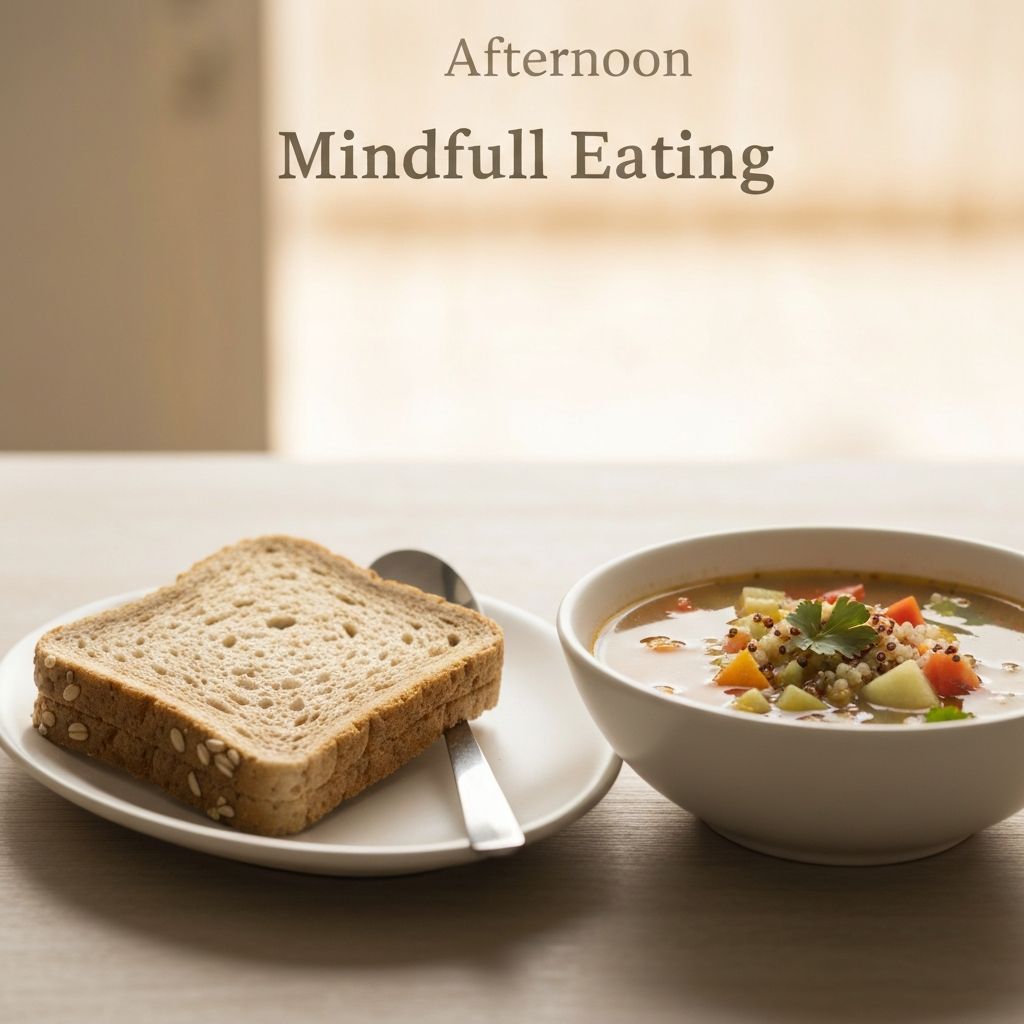
Understanding Midday Eating Contexts
Midday eating typically occurs during the most active portion of the day, often in workplace or educational settings. Educational research examines how these contexts influence food choices, eating pace, and meal satisfaction.
Unlike morning or evening meals, afternoon eating frequently involves external time constraints, limited food options, and varied social environments. These factors create unique contexts for studying eating behaviors and awareness practices.
Workplace Eating Environments
Educational analysis of workplace eating examines multiple environmental factors including available time for meals, food accessibility, eating locations, and social dynamics. Office environments present particular characteristics that influence midday eating patterns.
Some individuals eat at their desks while working, others use designated break areas, and some leave workplace premises for meals. Each setting creates different conditions for eating awareness and food consumption.
Time availability during work hours significantly impacts meal choices and eating pace. Educational observations note that rushed eating during short breaks differs considerably from leisurely meals during longer lunch periods.
Hunger and Energy Patterns
Educational perspectives on midday hunger examine how morning eating patterns, physical activity levels, and work demands influence afternoon appetite. Energy levels often fluctuate during afternoon hours, affecting food choices and meal timing.
Some individuals experience distinct hunger signals during midday, while others notice more subtle changes in energy or concentration. Understanding these variations provides educational context for observing personal patterns.
The relationship between food intake and afternoon energy represents an area of educational interest. Different foods provide varying energy profiles, though individual responses differ based on numerous factors.
Food Choices During Midday
Midday food choices often reflect convenience, availability, and time constraints alongside personal preferences. Educational discussions examine how these practical factors interact with nutritional considerations and taste preferences.
Prepared meals, restaurant food, and quickly assembled options each present different characteristics regarding preparation time, nutritional profiles, and eating experiences. The diversity of midday eating approaches reflects varied individual circumstances and preferences.
Cultural variations in midday meals are particularly notable, with different traditions regarding meal size, typical foods, and eating customs. Educational resources acknowledge this diversity as part of understanding eating patterns.
Awareness During Busy Periods
Educational concepts of mindful eating examine how awareness can be maintained during busy periods. Midday hours often involve multiple demands on attention, creating challenges for focused eating experiences.
Multitasking during meals, such as working or using electronic devices while eating, represents a common pattern in contemporary settings. Educational research explores how divided attention affects eating experiences and satisfaction levels.
The concept of eating awareness in busy contexts involves noticing when attention is divided and understanding how this affects the meal experience. This educational perspective emphasizes observation rather than prescription.
Social Aspects of Afternoon Meals
Midday meals often occur in social contexts, whether with colleagues, friends, or family members. Educational examination of social eating explores how interpersonal dynamics influence food choices, eating duration, and meal satisfaction.
Group meal settings typically involve conversation and social interaction alongside food consumption. These dual focuses create different eating experiences compared to solitary meals.
Educational observations note that social eating contexts may extend meal duration, influence food selection through group dynamics, and affect overall eating awareness in various ways.
Planning and Preparation
Educational discussions of midday eating often address planning and preparation aspects. Some individuals prepare meals in advance, others purchase food during work breaks, and some rely on workplace food services.
Each approach involves different considerations regarding time investment, cost, food variety, and nutritional profiles. Understanding these practical aspects provides context for midday eating patterns.
The relationship between meal planning and eating awareness represents an educational topic. Prepared meals may reduce decision-making during eating times, while spontaneous choices involve real-time decision processes.
Afternoon Eating and Daily Rhythms
Educational perspectives on daily rhythms examine how midday eating fits within broader patterns of daily activities. Afternoon meals serve multiple functions including energy provision, social interaction, and mental breaks from work tasks.
The timing of midday meals varies among individuals and cultures, ranging from early afternoon to later periods depending on morning meal timing and evening plans. These variations reflect different approaches to structuring daily eating patterns.
Understanding midday eating within the context of full-day patterns provides educational insights into how meal timing and content interact with daily activities and energy needs.
Educational Context and Limitations
This article provides educational information about afternoon eating patterns and workplace nutrition contexts. It does not offer personalized recommendations or advice about individual meal choices.
Appropriate eating patterns vary significantly among individuals based on work schedules, activity levels, health status, and personal preferences. For personalized guidance regarding nutrition, consult qualified professionals.
The information presented here explains concepts and describes research perspectives for educational purposes only. It is not intended to influence personal decisions or serve as a substitute for professional consultation.